Keeping your Tineco Floor One S3 clean isn’t just about hygiene—it’s the key to maintaining peak performance. If you’ve noticed reduced suction, unpleasant odors, or your smart floor washer isn’t cleaning as efficiently as before, proper maintenance is likely the solution. This comprehensive guide will walk you through exactly how to clean Tineco Floor One S3, ensuring your device continues delivering spotless floors for years to come.
Why Regular Cleaning Matters for Your Tineco S3
Your Floor One S3 works hard to keep your floors pristine, but like any cleaning tool, it needs regular care. The device simultaneously vacuums and mops, meaning it handles both dry debris and dirty water. Without proper cleaning, residue builds up in the brush roller, filters, and water tanks, leading to decreased performance, bacterial growth, and those dreaded musty smells.
Regular maintenance ensures your $279 investment continues working at its best, extending the life of your cordless floor washer and preventing costly repairs.
Daily Cleaning: After Every Use
The most important cleaning routine happens right after you finish mopping. Taking just five minutes after each use prevents buildup and keeps your Tineco S3 functioning optimally.
1. Empty the Dirty Water Tank
Start by removing the dirty water tank from your device. This 0.5-liter container holds all the grime, hair, and dirty water collected during cleaning. Never leave dirty water sitting in the tank overnight, as this creates the perfect environment for bacterial growth and unpleasant odors.
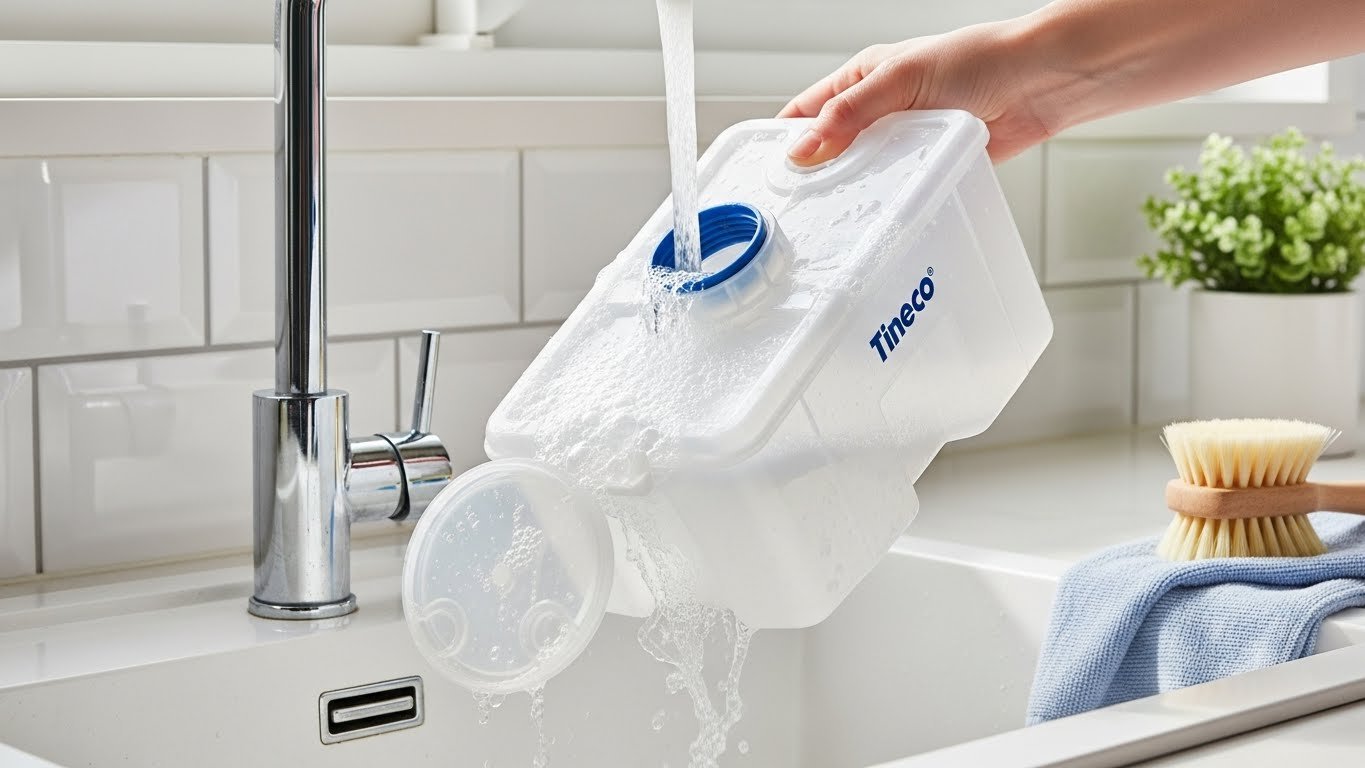
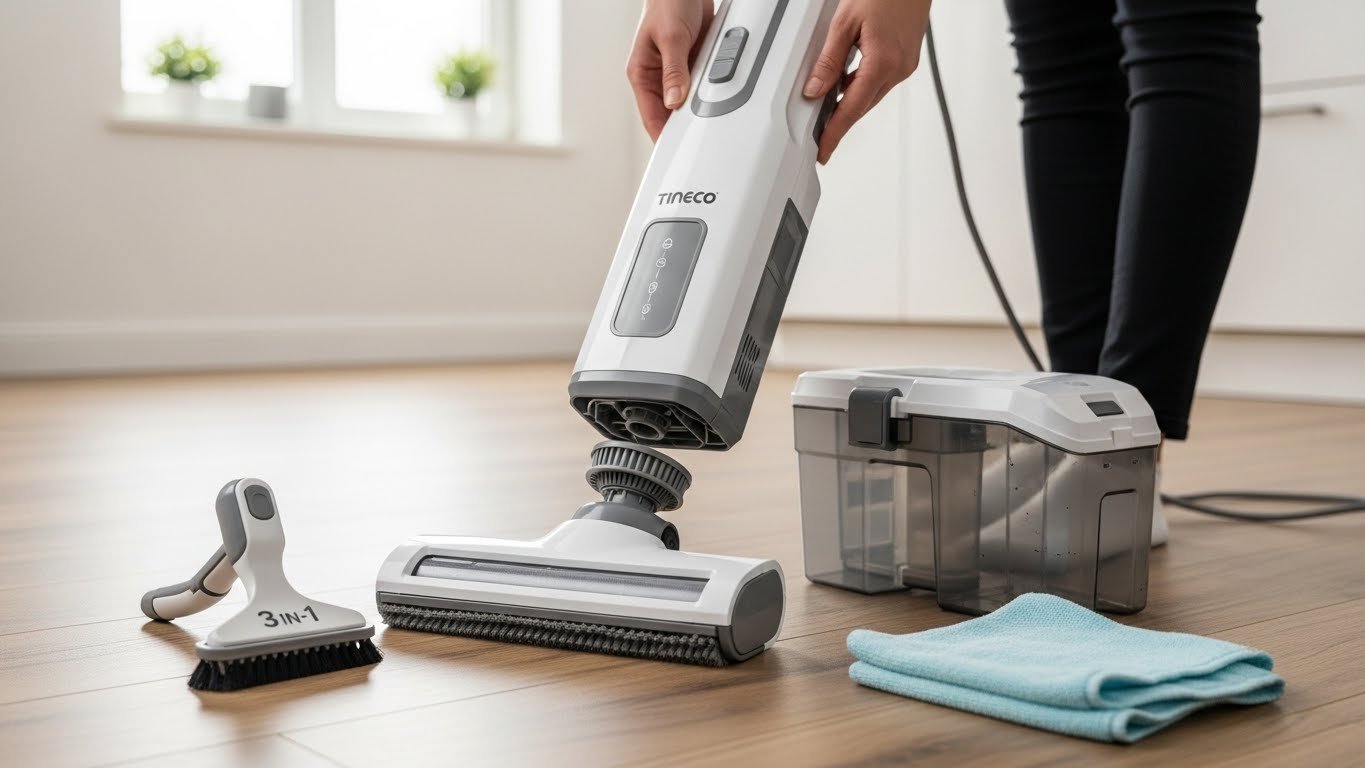
Pour out the contents into your toilet or sink, then rinse the tank thoroughly under running water. Pay special attention to the tank’s corners and edges where residue tends to accumulate. Use a soft brush or the included 3-in-1 cleaning tool to scrub away any stubborn buildup.
2. Clean the Floater and Filter Assembly
Inside the dirty water tank lid, you’ll find a floater mechanism and filter assembly. These components detect when the tank is full and filter large particles from entering the motor. Remove both pieces and rinse them under cold water until they run clear. The filter should be completely free of debris before reinstalling.
Allow these components to air dry completely before reassembling—this typically takes 24 hours. Having a spare filter assembly (available for around $20) means you can rotate between sets without downtime.
3. Rinse the Clean Water Tank
Don’t forget about the clean water tank. While it holds fresh water, minerals and cleaning solution residue can accumulate over time. Detach the 0.6-liter tank, empty any remaining water, and rinse thoroughly. Let it air dry before refilling for your next cleaning session.
Cleaning the Brush Roller: The Heart of Your S3
The brush roller does the heavy lifting in your Floor One S3, simultaneously scrubbing floors and collecting debris. This component requires regular attention to maintain cleaning effectiveness.
1. Remove and Inspect the Brush Roller
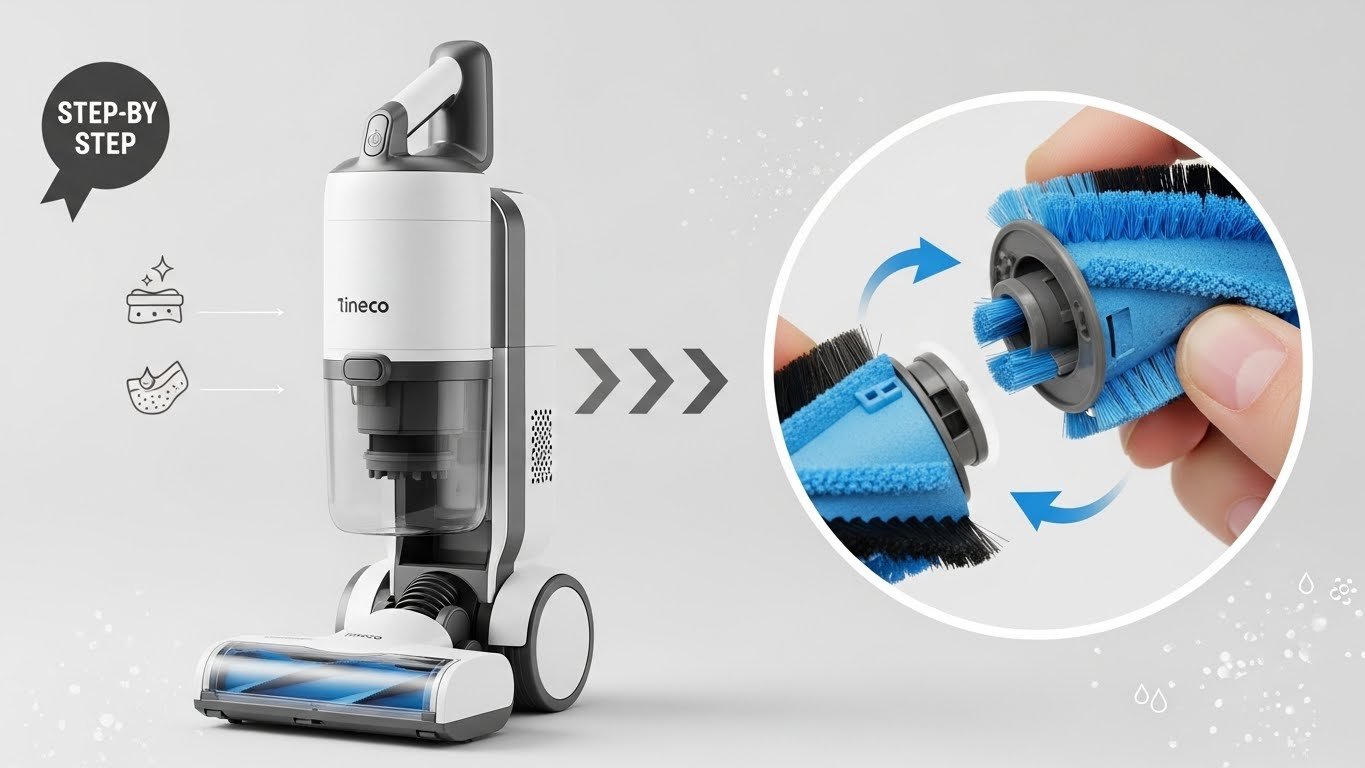
Turn your device over to access the brush roller compartment. The roller should release easily by pressing the release buttons on each side. Once removed, inspect it for tangled hair, threads, and accumulated debris.
2. Cut Away Tangled Materials
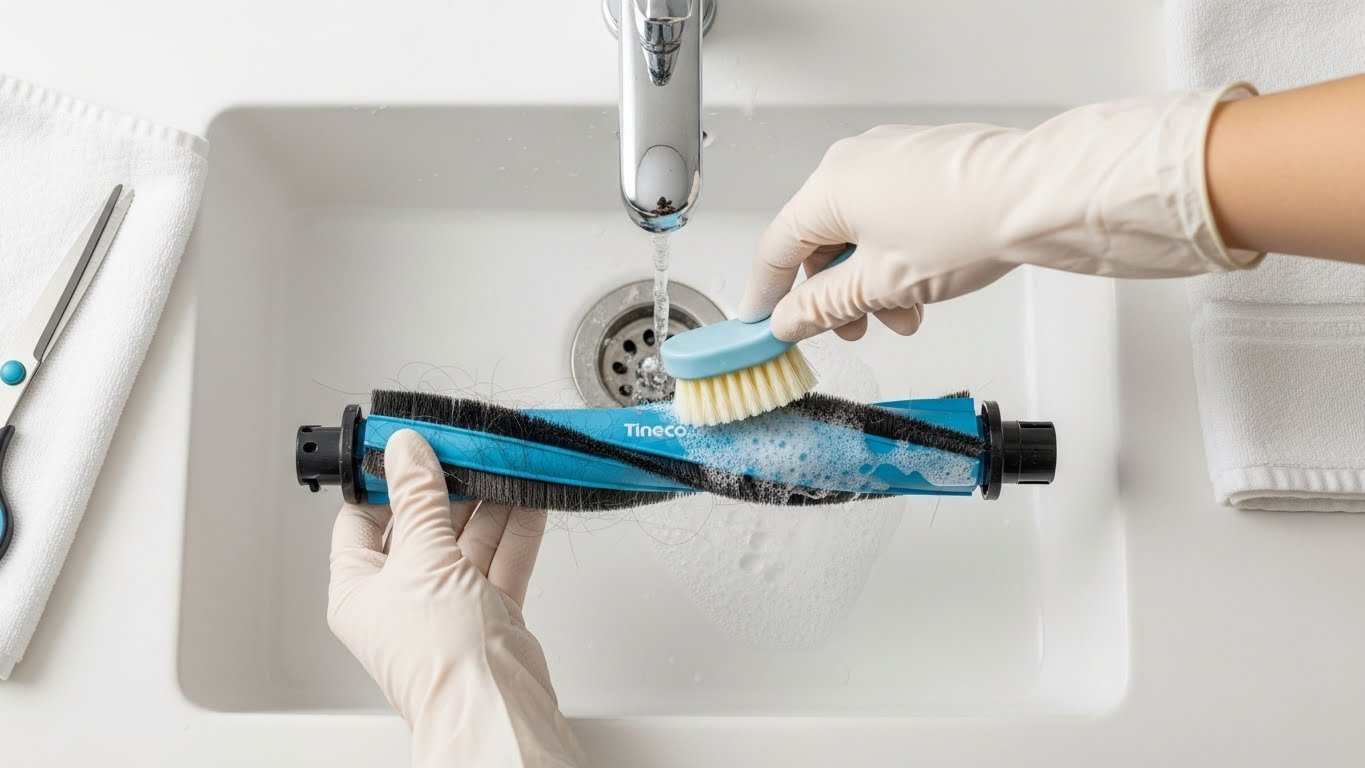
Use scissors or the blade end of your 3-in-1 cleaning tool to carefully cut away any hair or fibers wrapped around the roller. Work slowly to avoid damaging the bristles. For stubborn tangles, the tool’s bristled end helps loosen debris before cutting.
3. Deep Clean the Roller
After removing visible debris, rinse the brush roller under running water. Avoid using harsh chemicals like bleach or vinegar, as these can damage the bristles and reduce cleaning effectiveness. A mild, non-abrasive detergent works if you need extra cleaning power.
Rotate the roller while rinsing to ensure water reaches all areas. Continue until the water runs clear and no dirt remains visible in the bristles.
4. Dry Completely Before Reinstalling
This step is crucial: the brush roller must be completely dry before going back into your device. Moisture trapped in the roller breeds bacteria and causes odors. Air drying takes several hours, so many users keep a spare roller (sold in packs with filters for about $25) to swap out during drying time.
Using the Self-Cleaning Mode Effectively
Your Floor One S3 features a convenient self-cleaning function that automates part of the cleaning process. However, many users misunderstand what this feature does—it assists with cleaning but doesn’t eliminate the need for manual maintenance.
How to Activate Self-Cleaning
Place your Tineco S3 on its charging tray and ensure the clean water tank is at least 40% full. Press the self-cleaning button on the handle’s top. The machine will automatically dispense cleaning solution and run the brush roller for approximately 40 seconds, flushing debris into the dirty water tank.
What Self-Cleaning Does (and Doesn’t Do)
The self-cleaning mode helps remove surface dirt and debris from the brush roller and internal channels. It’s excellent for quick daily maintenance between uses. However, it doesn’t replace the need to manually remove the roller for drying or deep clean the water tanks and filters.
Think of self-cleaning as preventive maintenance that reduces how often you need deep cleaning, not a substitute for it.
Filter Maintenance: HEPA and Pre-Filter Care
Your Floor One S3 uses two types of filters to protect the motor and ensure clean air exhaust. Proper filter maintenance is essential for maintaining suction power.
Cleaning the Pre-Filter
The pre-filter catches larger particles before they reach the HEPA filter. Remove it from the dirty water tank assembly and rinse under running water. Gently scrub with a soft brush if needed, working until water runs clear. Squeeze out excess water and let it air dry for at least 24 hours before reinstalling.
HEPA Filter Care
The HEPA filter requires more delicate handling. Remove it and gently tap to dislodge loose dust. If washable (check your manual), rinse under lukewarm water without soap. Never use hot water, as heat can damage the filter material. Allow the HEPA filter to dry completely—this typically takes 24-48 hours.
Replace your filters every 4-6 months for optimal performance, even with regular cleaning. Replacement filter sets cost approximately $20 and are widely available online.
Deep Cleaning: Monthly Maintenance
Beyond daily care, your Tineco S3 benefits from monthly deep cleaning to address areas that regular maintenance doesn’t reach.
1. Clean the Suction Inlet and Air Channels
The suction inlet, located at the base of the device, can accumulate hair and debris. Use a small brush or cloth to clear any visible blockages. Check the air channel opening underneath the dirty water tank—this area commonly causes the dirty indicator light to blink if blocked.
2. Inspect and Clean Water Dispensing Nozzles
The nozzles that spray cleaning solution onto your floors can develop mineral buildup, especially in areas with hard water. Use a damp cloth to wipe these nozzles clean. If buildup is severe, a cotton swab dipped in white vinegar can help dissolve minerals (just rinse thoroughly afterward).
3. Clean the Brush Roller Chamber
With the roller removed, inspect the chamber where it sits. Use your cleaning tool’s brush end to remove any accumulated debris. Wipe down surfaces with a slightly damp cloth, ensuring everything is dry before reassembling.
4. Exterior Cleaning
Don’t neglect the outside of your device. Use a damp microfiber cloth with mild detergent to clean the handle, body, and display screen. Keep moisture away from electronic components, and ensure the cloth is only slightly damp, not wet.
Troubleshooting Common Cleaning-Related Issues
Even with regular maintenance, you might encounter some issues. Here’s how cleaning solves common problems:
1. Unpleasant Odors
Bad smells typically indicate dirty or damp components. Perform a thorough cleaning of all parts, paying special attention to the dirty water tank and brush roller. Ensure everything dries completely before storage. Some users add a small amount of baking soda to the dirty water tank after cleaning to neutralize odors.
2. Reduced Suction Power
Weak suction usually points to clogged filters or a full dirty water tank. Empty and clean the tank, then check both filters. Clear any blockages from the suction inlet. If suction remains weak after cleaning, the filters may need replacement.
3. Device Shuts Off Unexpectedly
This often results from dirty sensors in the water tanks. Clean the sensor areas inside both tanks with a soft cloth. Ensure tanks are properly seated and that seals are intact. Check for blockages in the brush roller area that might trigger safety shutoffs.
4. Brush Roller Not Spinning
Hair and debris tangled around the roller can prevent it from spinning. Remove and thoroughly clean the roller, cutting away all tangled materials. Check that the roller is properly installed—it should click into place securely.
Storage Best Practices
Proper storage between uses helps maintain your Tineco S3 and prevents cleaning issues.
After cleaning and drying all components, reassemble your device and place it on the charging base vertically. Store in a cool, dry location away from direct sunlight. Leave the dirty water tank slightly open to allow air circulation and prevent moisture buildup.
Remove the brush roller and store it separately until completely dry if you won’t be using the device for several days. This simple step prevents mildew and keeps your roller fresh.
Recommended Cleaning Solutions
While Tineco recommends using their proprietary cleaning solution, understanding what works (and what doesn’t) helps you make informed choices.
Use Tineco-Approved Solutions
The official Tineco cleaning solution is formulated to produce the optimal amount of bubbles for your S3’s system. Third-party solutions often create excessive foam, quickly filling the dirty water tank and reducing cleaning efficiency. Add one bottle cap of solution per full tank of clean water.
Water Temperature Matters
Always use room temperature or cool water (between 41°F and 140°F). Hot water can damage internal pipes and seals, leading to leaks and performance issues. Regular tap water works fine—there’s no need for distilled water unless you live in an area with extremely hard water.
What to Avoid
Never use bleach, harsh chemicals, or undiluted vinegar in your Floor One S3. These substances can corrode internal components, damage seals, and void your warranty. Abrasive cleaners can scratch surfaces and damage the brush roller’s bristles.
Replacement Schedule: When to Buy New Parts
Even with excellent maintenance, certain components wear out and require replacement:
- Brush Roller: Replace every 4-6 months with regular use
- Filter Assembly: Replace every 4-6 months
- HEPA Filter: Replace every 6 months
- Cleaning Solution: One 16oz bottle lasts approximately 60 uses
Replacement parts are readily available through Tineco’s website, Amazon, and authorized retailers. Buying replacement packs (usually including both rollers and filters) offers better value than purchasing items individually.
The Benefits of a Well-Maintained Tineco S3
Investing time in proper cleaning pays off in multiple ways:
Your device maintains maximum suction power and cleaning effectiveness, making floor care faster and easier. Regular maintenance prevents expensive repairs and extends your S3’s lifespan well beyond its 2-year warranty. You’ll avoid unpleasant odors and ensure a hygienic cleaning process. Most importantly, you protect your investment, keeping this $300 device working like new for years.
The Floor One S3’s smart sensors and iLoop technology only work optimally when components are clean. Dirty sensors can’t accurately detect floor dirtiness, leading to inefficient cleaning and wasted battery life.
Quick Daily Checklist
Make cleaning your Tineco S3 a habit with this simple daily routine:
- Empty and rinse the dirty water tank immediately after use
- Remove and rinse the floater and filter assembly
- Run self-cleaning mode while still on the charging tray
- Remove the brush roller to air dry
- Empty and rinse the clean water tank
- Wipe down the exterior with a damp cloth
- Store properly on the charging base
This entire process takes less than 10 minutes and dramatically reduces the need for intensive deep cleaning.
Frequently Asked Questions
How often should I clean my Tineco Floor One S3?
Clean basic components (dirty water tank, filters, brush roller) after every use. Perform deep cleaning monthly, including HEPA filter care, air channel inspection, and thorough exterior cleaning. This schedule maintains optimal performance and prevents most issues.
Can I use vinegar to clean my Tineco S3 parts?
While white vinegar can help remove mineral deposits from external surfaces, never pour it into the clean water tank or use it undiluted on components. Diluted vinegar (1 part vinegar to 10 parts water) can spot-clean external surfaces, but rinse thoroughly. For routine cleaning, stick with mild soap and water.
Why does my Tineco S3 still smell bad after cleaning?
Persistent odors usually indicate moisture trapped in components. Ensure the brush roller and all parts air dry completely (24+ hours) before reassembling. Check for hidden buildup in the brush roller chamber and air channels. Some users soak removable parts in a baking soda solution (1 tablespoon per quart of water) to neutralize stubborn odors.
How long does it take for the brush roller to dry completely?
The brush roller typically requires 6-12 hours to air dry completely in a well-ventilated area. Drying time varies based on humidity and air circulation. Speed up the process by setting the roller near a fan or in a sunny spot (but not in direct sunlight for extended periods). Never reinstall a damp roller, as this causes odors and potential mold growth.
Conclusion
Learning how to clean Tineco Floor One S3 properly transforms this smart floor washer from a good investment into a great one. The few minutes spent on daily maintenance prevent hours of troubleshooting and extend your device’s lifespan by years. By following this guide’s cleaning routines—emptying tanks after each use, regularly maintaining the brush roller and filters, and performing monthly deep cleans—you’ll keep your Floor One S3 performing like new.
Remember, your Tineco S3 is a sophisticated cleaning tool that deserves regular care. Treat it well, and it will continue making your floor cleaning routine effortless and effective. Start implementing these maintenance practices today, and enjoy spotless floors with minimal effort for years to come.