Have you noticed your Tineco iFloor 2 leaving streaks on your floors or emitting an unpleasant odor? Regular self-cleaning is the secret to keeping your wet-dry vacuum working like new. In this comprehensive guide, you'll learn exactly how to do self clean on Tineco iFloor 2, troubleshoot common issues, and maintain peak performance for years to come.
What Is the Self-Clean Function on Tineco iFloor 2?
The self-clean function is an automated cleaning cycle built into your Tineco iFloor 2 that flushes out the brush roll, internal tubes, and dirty water tank. This innovative feature uses clean water and the vacuum's motor to remove debris, hair, and bacteria that accumulate during regular use.Think of it as a dishwasher for your floor cleaner. Instead of manually scrubbing every component, the self-clean mode does the heavy lifting for you, extending the life of your machine and ensuring hygienic cleaning every time.
Why Self-Cleaning Your Tineco iFloor 2 Matters
Skipping regular self-clean cycles can lead to several problems that affect both performance and hygiene. Dirty brush rolls reduce suction power and leave floors wet or streaky. Trapped debris creates foul odors that spread throughout your home. Bacteria and mold can grow in the dirty water tank, creating health concerns for your family.The self-clean function prevents these issues by maintaining optimal suction, eliminating odors at the source, and keeping your vacuum hygienic between uses. Most users report that running the self-clean cycle after every use keeps their iFloor 2 performing like new for years.
When Should You Run the Self-Clean Cycle?
Tineco recommends running the self-clean function after every cleaning session. This prevents buildup before it becomes a problem. However, you should also run an additional cycle if you notice reduced suction power, water not spraying evenly, unpleasant smells coming from the machine, or visible debris on the brush roll.For households with pets or high-traffic areas, consider running two consecutive self-clean cycles after heavy-duty cleaning sessions. This ensures all pet hair and stubborn dirt are completely removed.
How to Do Self Clean on Tineco iFloor 2: Step-by-Step Instructions
Step 1: Prepare Your Tineco iFloor 2
After finishing your floor cleaning, place your Tineco iFloor 2 on its charging dock or storage tray. Make sure the dirty water tank is still attached to the unit. Empty the dirty water tank by removing it from the vacuum and pouring the contents into your toilet or sink. Rinse the tank briefly with warm water, but don't clean it thoroughly yet since the self-clean function will do that.
Step 2: Fill the Clean Water Tank
Remove the clean water tank from the front of your iFloor 2. Fill it with fresh, clean water up to the maximum fill line. You can use regular tap water, though filtered water is better if you have hard water in your area. Do not add cleaning solution during the self-clean cycle, as plain water works best for this maintenance function.Securely attach the clean water tank back onto the vacuum, ensuring you hear a click that indicates it's properly locked in place.
Step 3: Activate the Self-Clean Mode
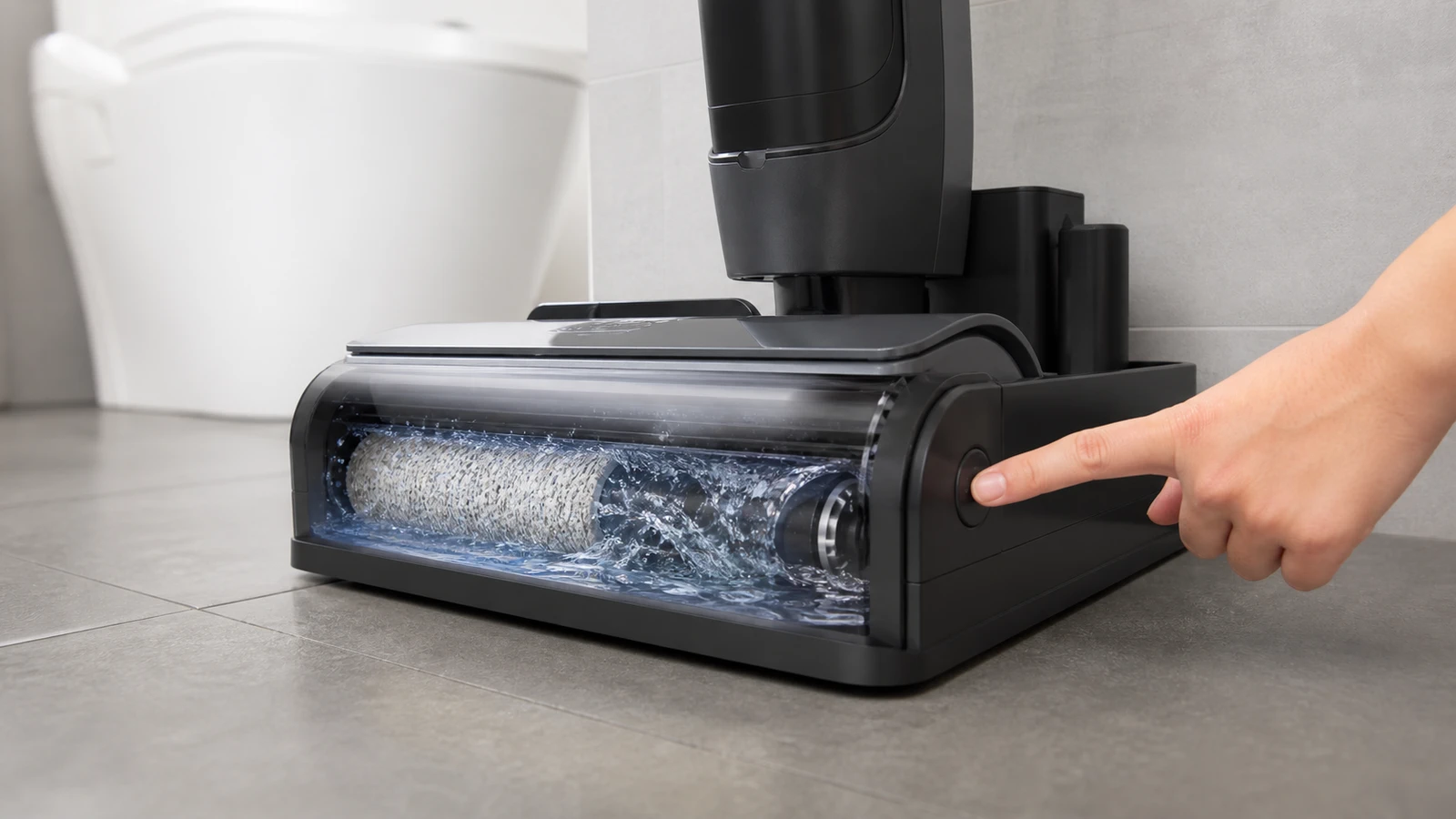
Place your Tineco iFloor 2 on its charging base or storage tray. The vacuum must be docked to activate self-clean mode. Press and hold the self-clean button, located on the handle near the power button, for approximately three seconds. You'll hear a beep and see the indicator lights change, signaling that the self-clean cycle has started.The entire cycle takes about 40 seconds. During this time, the brush roll will spin rapidly while water flushes through the system, cleaning the brush, tubes, and internal components.
Step 4: Monitor the Cleaning Cycle
Watch as your Tineco iFloor 2 runs its self-clean cycle. You'll see dirty water being expelled into the dirty water tank as the clean water flushes through the system. The brush roll will rotate at high speed, removing trapped hair and debris. Listen for any unusual sounds that might indicate a blockage or mechanical issue.The machine will automatically shut off when the cycle is complete. Some models emit a completion beep or change the indicator light color to signal the end of the cycle.
Step 5: Empty and Rinse After Self-Clean
Once the self-clean cycle finishes, remove the dirty water tank again. Pour out the dirty water and rinse the tank thoroughly with warm water. This is the time to clean the filter screen inside the dirty water tank. Use your fingers or a soft brush to remove any trapped debris from the filter mesh.Inspect the brush roll through the bottom of the vacuum. If you still see hair or debris wrapped around it, manually remove these with your fingers or scissors. Check the clean water tank as well and rinse it to remove any residue.
Deep Cleaning Your Tineco iFloor 2: Beyond Self-Clean
While the self-clean function handles daily maintenance, your Tineco iFloor 2 needs occasional deep cleaning for optimal performance. Plan to do this thorough cleaning once a week if you use your vacuum daily, or every two weeks for less frequent use.
1. Cleaning the Brush Roll
Remove the brush roll from your iFloor 2 by releasing the cover on the bottom of the vacuum head. Most models have a simple twist-lock mechanism. Pull out the brush roll and remove all tangled hair using scissors or a seam ripper. Wash the brush roll under warm running water with a few drops of dish soap. Scrub gently with an old toothbrush to remove stubborn stains and buildup. Rinse thoroughly and let it air dry completely before reinstalling, which typically takes 24 hours.
2. Cleaning the Filters
The Tineco iFloor 2 has multiple filters that need regular attention. Locate the HEPA filter, usually found in or near the dirty water tank. Remove it and tap off loose dirt. Rinse the filter under cool water until the water runs clear. Never use soap on HEPA filters as it can damage the fibers. Allow the filter to air dry completely for at least 24 hours before reinstalling it. Never operate your vacuum with a wet filter.
3. Cleaning the Water Tanks
For a deep clean of both water tanks, fill them with a mixture of equal parts white vinegar and warm water. Let this solution sit for 15 to 20 minutes to break down mineral deposits and eliminate bacteria. Scrub the interior with a bottle brush, paying special attention to corners and crevices. Rinse thoroughly with clean water multiple times to remove all vinegar smell. Dry the tanks with a clean cloth or let them air dry completely.
4. Cleaning the Tubes and Nozzles
Check the tubes that connect your clean water tank to the spray nozzle. Hard water can cause mineral buildup that restricts water flow. If you notice reduced spray or uneven water distribution, run a solution of white vinegar through the system. Fill the clean water tank with undiluted white vinegar and run a self-clean cycle. Follow this with two self-clean cycles using plain water to flush out all vinegar residue.
Troubleshooting Common Tineco iFloor 2 Self-Clean Issues
1. Self-Clean Won't Start
If pressing the self-clean button doesn't activate the cycle, check several things. Verify that your Tineco iFloor 2 is properly docked on its base. The charging contacts must align correctly for the self-clean function to work. Ensure the clean water tank is full and properly attached. An empty or improperly installed tank prevents the cycle from starting. Check that the battery has sufficient charge, as low battery levels may prevent self-cleaning. If none of these solve the issue, try turning the vacuum off completely, waiting 30 seconds, and trying again.
2. Self-Clean Cycle Stops Prematurely
A self-clean cycle that stops before completion usually indicates a blockage. Remove the dirty water tank and check for debris blocking the intake valve. Inspect the brush roll area for large objects that might jam the mechanism. Clear any visible blockages and try running the cycle again. If the problem persists, your dirty water tank might be too full. Empty it completely and restart the self-clean process.
3. Water Not Spraying During Self-Clean
When water doesn't spray during the self-clean cycle, the issue is typically with the clean water delivery system. Confirm the clean water tank is filled to the proper level and securely attached. Check the spray nozzles for clogs by looking at the front of the vacuum head. Use a pin or paperclip to carefully clear any blockages in the nozzle holes. Mineral buildup from hard water is a common culprit, so consider running a vinegar solution through the system as described in the deep cleaning section.
4. Strange Noises During Self-Clean
Unusual grinding, squealing, or rattling sounds during self-clean indicate mechanical issues. Remove the brush roll and check for wound-up hair, strings, or debris that could cause resistance. Inspect the brush roll bearings for wear or damage. Listen to identify where the sound originates, as this helps pinpoint the problem. If noises persist after cleaning, contact Tineco customer support, as internal components may need professional attention.
5. Persistent Odors After Self-Clean
If your Tineco iFloor 2 still smells bad after running self-clean, bacteria or mold may be growing in areas the automated cycle doesn't reach. Deep clean all removable parts with a vinegar solution as described earlier. Pay special attention to the dirty water tank, as this is where odors typically originate. Check the internal tubes for standing water by tilting the vacuum in different directions after self-clean. Allow all components to dry completely before reassembling to prevent mold growth.
Tips for Maintaining Your Tineco iFloor 2 Between Cleanings
Proper daily habits extend the life of your Tineco iFloor 2 beyond just running the self-clean cycle. Always empty the dirty water tank immediately after each use, even if it's not completely full. Bacteria multiply rapidly in standing dirty water, creating odors and hygiene issues. Leave the dirty water tank off the vacuum between uses to allow air circulation and prevent mold growth.Store your Tineco iFloor 2 in a dry, well-ventilated area away from direct sunlight and extreme temperatures. Excessive heat or cold can damage the battery and plastic components. Keep the clean water tank empty when not in use to prevent stagnant water and mineral deposits.Use only Tineco-recommended cleaning solutions in the clean water tank during regular floor cleaning. Third-party cleaners can leave residue that clogs the system or damage internal components. When you do add cleaning solution, follow the exact dilution ratios specified in your user manual.
How Often Should You Replace Tineco iFloor 2 Parts?
Regular maintenance extends part life, but all components eventually need replacement. Understanding these timelines helps you budget and maintain optimal performance.The brush roll typically lasts six to twelve months with regular cleaning. Replace it when the bristles become worn, flattened, or the roll no longer spins freely. HEPA filters need replacement every three to six months depending on usage frequency. If rinsing no longer restores the filter's white appearance, it's time for a new one.The dirty water tank filter screen should be replaced annually or sooner if you notice cracks or tears in the mesh. This inexpensive part prevents debris from entering the vacuum's motor and causing damage.Genuine Tineco replacement parts ensure proper fit and function. While aftermarket alternatives may be cheaper, they often don't meet the same quality standards and can void your warranty.
Best Practices for Tineco iFloor 2 Longevity
Maximizing your investment in a Tineco iFloor 2 means following manufacturer guidelines and adopting smart usage habits. Never use hot water in either tank, as high temperatures can warp plastic components and damage seals. Always use room temperature or slightly warm water.Avoid running your iFloor 2 completely dry during cleaning sessions. When the clean water tank empties, stop cleaning rather than continuing with just suction. Dry operation can overheat the motor and reduce its lifespan.Keep your floors reasonably clear before vacuuming. While the iFloor 2 handles normal debris well, large objects or excessive dirt make the vacuum work harder and require more frequent cleaning. A quick sweep or dry vacuum of high-traffic areas before wet cleaning improves results and reduces wear.Register your Tineco iFloor 2 with the manufacturer to ensure you receive important product updates and maintain warranty coverage. Save your proof of purchase, as you'll need it for warranty claims or replacement parts.
Comparing Tineco iFloor 2 Self-Clean to Other Models
The Tineco iFloor 2 self-clean system represents an improvement over the original iFloor but differs from newer models like the iFloor 3 and iFloor 5. The iFloor 2 offers a basic self-clean cycle that effectively cleans the brush roll and internal tubes. However, it lacks the heated air drying feature found in the iFloor 3 and 5, meaning you need to manually dry components more thoroughly.The self-clean process on the iFloor 2 takes about 40 seconds, while newer models may have slightly longer cycles with more intensive cleaning. Despite these differences, the iFloor 2's self-clean function remains highly effective when used correctly and consistently.Understanding these distinctions helps you set appropriate expectations and appreciate what your specific model offers.
Environmental Considerations for Tineco iFloor 2 Maintenance
Maintaining your Tineco iFloor 2 responsibly benefits both your vacuum and the environment. The self-clean function uses minimal water compared to manual cleaning methods, typically consuming only the amount in your clean water tank per cycle. This efficiency reduces water waste while providing thorough cleaning.When deep cleaning components, collect and reuse the vinegar solution for multiple cleaning sessions before disposal. White vinegar is biodegradable and safe for septic systems, making it an eco-friendly cleaning choice. Avoid harsh chemical cleaners that can harm the environment when rinsed down drains.Properly maintaining your iFloor 2 extends its usable life, reducing electronic waste. A well-maintained vacuum can last five years or more, compared to two to three years for neglected units. When parts do need replacement, check if Tineco offers a recycling program for old components.
Understanding the Technology Behind Self-Clean
The Tineco iFloor 2 self-clean system uses a clever combination of water flow and brush rotation to automate maintenance. When you activate self-clean mode, the vacuum reverses the normal water flow pattern. Instead of spraying water onto your floors, the system pumps clean water directly onto the spinning brush roll and into the internal tubes.The brush roll spins at maximum speed during this cycle, creating centrifugal force that throws dirt and debris outward. Simultaneously, water rushes through the system, carrying this loosened debris into the dirty water tank. This dual-action approach proves more effective than simply rinsing components with water.The engineering behind this system demonstrates why regular self-cleaning is so effective. The automated process reaches areas you cannot easily access manually, ensuring thorough cleaning of the entire water pathway.
Real User Experiences with Tineco iFloor 2 Self-Clean
Many Tineco iFloor 2 owners report that consistent use of the self-clean function dramatically improves their experience with the vacuum. Users who run the cycle after every cleaning session rarely encounter suction problems or odors. Those who skip self-cleaning often notice performance degradation within weeks.Pet owners particularly praise the self-clean function for managing hair buildup. Dog and cat hair tend to wrap around brush rolls, but the self-clean cycle prevents this accumulation when used regularly. Several users note that running two consecutive cycles after cleaning up pet accidents ensures complete sanitization.The most common complaint involves forgetting to run self-clean after use. Setting a reminder or making it part of your cleaning routine helps establish this essential habit.
Advanced Maintenance for Power Users
If you use your Tineco iFloor 2 daily or for commercial cleaning, these advanced tips maximize performance and longevity. Consider keeping spare parts on hand, including an extra brush roll, filters, and cleaning solution. This allows you to swap components during deep cleaning without interrupting your vacuum's availability.Track your maintenance schedule using a smartphone app or calendar. Log each self-clean cycle, deep cleaning session, and part replacement. This data helps you identify patterns and optimize your maintenance routine. Some users find they need deep cleaning more or less frequently than the general recommendations based on their specific usage patterns.For hard water areas, install an inline filter on your water source or use distilled water exclusively in the clean water tank. This prevents mineral buildup that can clog spray nozzles and reduce the effectiveness of both cleaning and self-cleaning cycles.Quarterly, perform an extended maintenance check where you disassemble every removable component and inspect for wear, cracks, or damage. Early detection of issues prevents costly breakdowns and extends your vacuum's life.
Conclusion: Master Your Tineco iFloor 2 Maintenance
Learning how to do self clean on Tineco iFloor 2 is essential for maintaining peak performance and ensuring years of reliable service. The process takes less than five minutes after each use but prevents hours of troubleshooting and deep cleaning later. By running the self-clean cycle consistently, deep cleaning components weekly or biweekly, and following the maintenance tips in this guide, your Tineco iFloor 2 will continue delivering spotless floors and excellent value.Remember that the self-clean function is your first line of defense against dirt buildup, odors, and reduced suction. Combined with occasional deep cleaning and proper storage, these simple habits keep your investment working like new. Start implementing these practices today and enjoy the full benefits of your Tineco iFloor 2 for years to come.Your floors deserve the best cleaning possible, and a well-maintained Tineco iFloor 2 delivers exactly that. Make self-cleaning a habit, not an afterthought, and you'll never have to worry about vacuum performance again.
Frequently Asked Questions
How long does the Tineco iFloor 2 self-clean cycle take?The self-clean cycle on the Tineco iFloor 2 takes approximately 40 seconds from start to finish. The vacuum will automatically shut off when the cycle is complete, and some models emit a beep to signal completion. For heavily soiled brush rolls, you may want to run a second consecutive cycle for more thorough cleaning.Can I add cleaning solution to the self-clean cycle?No, you should only use plain water for the self-clean function. Adding cleaning solution or detergent during self-clean can leave residue in the internal tubes and create excessive foam that may damage the vacuum. Save cleaning solutions for regular floor cleaning only, and always run self-clean with clean water afterward.Why does my Tineco iFloor 2 smell bad even after self-cleaning?Persistent odors after self-cleaning typically indicate bacterial growth in areas the automated cycle doesn't fully reach. The dirty water tank is the most common source of odors. Empty and deep clean the dirty water tank with a vinegar solution, scrubbing all interior surfaces. Also ensure you're allowing all components to dry completely between uses, as moisture promotes bacteria and mold growth.Do I need to remove the brush roll before running self-clean?No, the brush roll should remain installed during the self-clean cycle. The automated cleaning works by spinning the brush roll at high speed while flushing water through the system. However, you should manually remove the brush roll once a week for deep cleaning to remove any stubborn debris the self-clean cycle cannot eliminate.
 Have you noticed your Tineco iFloor 2 leaving streaks on your floors or emitting an unpleasant odor? Regular self-cleaning is the secret to keeping your wet-dry vacuum working like new. In this comprehensive guide, you'll learn exactly how to do self clean on Tineco iFloor 2, troubleshoot common issues, and maintain peak performance for years to come.