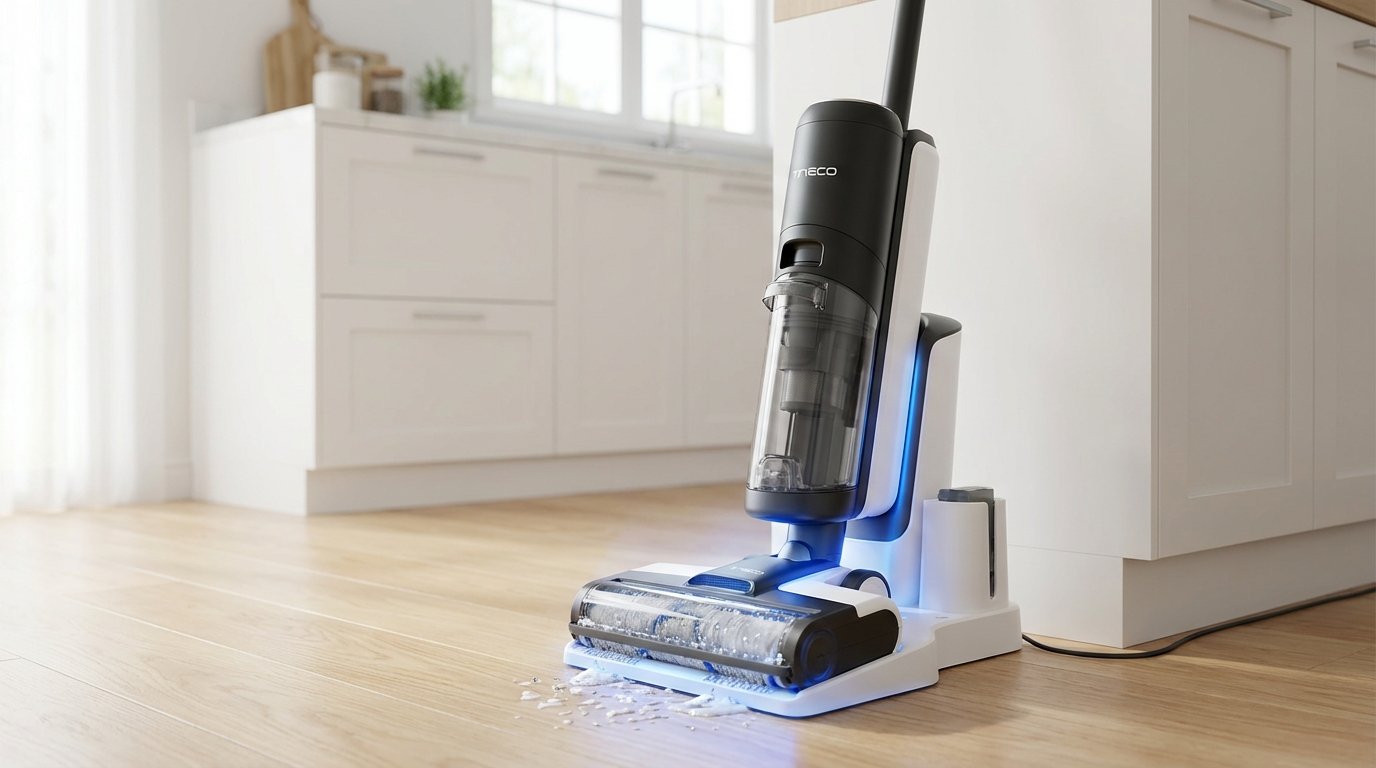
Have you ever wondered how to keep your Tineco floor washer fresh and odor-free? The answer lies in the self cleaning mode—a powerful built-in feature that cleans the brush roller and internal components after every use. Learning how to put Tineco in self cleaning mode takes just seconds and dramatically extends your machine’s lifespan while preventing unpleasant smells.
Whether you own a Tineco Floor ONE S5, S6, S7 Stretch, or an iFloor 3 model, this comprehensive guide walks you through every step. You’ll also discover troubleshooting tips when self-cleaning isn’t working and maintenance best practices to keep your wet dry vacuum performing like new.
What Is Tineco Self Cleaning Mode?
Tineco self cleaning mode is an automated cycle that thoroughly cleans the brush roller, suction inlet, and internal pipes after you finish mopping. When activated, the machine uses fresh water to rinse away dirt, hair, and debris trapped in the roller brush. Many newer models like the Floor ONE S7 feature FlashDry technology, which uses 185°F hot air to dry every component after washing.
- The self-cleaning process serves multiple purposes:
- Removes accumulated dirt and debris from the brush roller
- Prevents bacterial growth and mold buildup
- Eliminates odors that develop from damp brush rollers
- Extends the life of your brush roller and filters
- Ensures consistent cleaning performance over time
Depending on your Tineco model, the self-cleaning cycle takes anywhere from 40 seconds to 6 minutes. Quick self cleaning requires about 2 minutes, while super self cleaning modes on advanced models take approximately 6 minutes for deeper cleaning.
How to Put Tineco in Self Cleaning Mode: Standard Method
The process for activating self cleaning mode is remarkably similar across most Tineco floor washer models. Follow these steps for the most common activation method:
Step 1: Prepare Your Machine
Before starting the self-cleaning cycle, you need to prepare your Tineco properly:
- Empty the dirty water tank completely by pressing the release button and pouring out contents
- Ensure the clean water tank is at least 40% full (or one-third full on older models)
- Check that your battery level is at least two-thirds charged (or over 10% for some models)
Step 2: Position on Charging Base
Place your Tineco floor washer firmly on the storage tray or charging dock. The machine uses sensors to detect when it’s properly docked, which triggers the self-cleaning prompts. Make sure the unit clicks securely into place on the base.
Step 3: Activate Self Cleaning
For most Tineco models, press the self-cleaning button located on top of the handle or on the docking station. Some models require you to:
- Press and hold the power button for 3 seconds while the machine is plugged in
- Wait for the voice prompt saying “please begin self-cleaning cycle” before pressing the button
Step 4: Wait for Completion
The machine automatically runs through the cleaning cycle and shuts off when finished. You’ll hear a voice prompt confirming “self-cleaning complete” on voice-enabled models. The entire process takes about 40-100 seconds depending on your model.
Self Cleaning Instructions by Tineco Model
Different Tineco models have slightly different self-cleaning procedures. Here’s a breakdown for the most popular models:
1. Tineco Floor ONE S5 and S5 Steam
The Floor ONE S5 Steam self-cleaning process involves placing the washer on the storage tray after emptying the dirty water tank. Ensure the clean water tank is at least 40% full of water. Plug in the appliance and press the self-cleaning button at the top of the handle. The entire self-cleaning process takes about 100 seconds, and the floor washer automatically shuts off once finished.
2. Tineco iFloor 3 Series
For iFloor 3 models, always keep the unit plugged in and placed on the storage tray. Dump the dirty water tank completely and ensure the clean water tank is at least one-third full. Press the self-cleaning button to start the brush roll self-cleaning mode, which takes approximately 40 seconds.
3. Tineco Floor ONE S7 Stretch
The S7 Stretch Ultra features the advanced FlashDry Self-Cleaning System. Place the main unit on the drying and charging dock, then press the self-clean button on the dock. The unit washes the brush roller with heated water and dries it with 185°F hot air, preventing odors and bacterial growth.
4. Tineco Floor ONE S3 Breeze
The S3 Breeze follows the same protocol as the iFloor 3. Empty the dirty water tank, fill the clean water tank to at least one-third capacity, and press the self-cleaning button to initiate the brush roll cleaning cycle.
Understanding Tineco Cleaning Modes vs Self Cleaning Mode
It’s important to distinguish between regular cleaning modes and self-cleaning mode. These serve completely different purposes.
Regular Cleaning Modes
When you’re actively cleaning your floors, Tineco offers several modes accessed by pressing the mode button on the handle:
- Auto Mode: The default setting where the iLoop Smart Sensor detects dirt and automatically adjusts suction power and water flow
- MAX Mode: Provides maximum suction power for stubborn messes
- Suction Mode: Vacuums liquids without dispensing water
To switch between these modes, simply press the cleaning mode button (the one with dots) while the machine is running.
Self Cleaning Mode
Self cleaning mode operates only when the machine is docked and specifically cleans the internal components—not your floors. This maintenance cycle should run after every cleaning session to keep the brush roller fresh.
Why Your Tineco Self Cleaning Mode Might Not Work
Sometimes the self-cleaning cycle fails to start or gets interrupted. Here are the most common causes and solutions:
1. Insufficient Battery Charge
If your battery level drops below the required threshold, self-cleaning won’t initiate. The battery should be at least two-thirds full for most models. Solution: Charge your Tineco before attempting self-cleaning, or run the cycle while plugged in.
2. Dirty Water Tank Issues
A full dirty water tank creates blockages that prevent proper self-cleaning. Solution: Always empty the dirty water tank completely before starting self-cleaning.
3. Clean Water Tank Empty
The self-cleaning mechanism relies on sufficient water to rinse the brush roller effectively. If the tank isn’t filled to the required level, the cycle won’t work properly. Solution: Fill the clean water tank to at least one-third or 40% full.
4. Sensor Problems
Dust buildup on infrared sensors can prevent proper dock detection. Solution: Wipe down the sensors on both the machine and docking station with a damp cloth.
5. Clogs and Blockages
Debris accumulating in hoses, filters, or the dirty water tank pathway can interrupt self-cleaning. Solution: Remove and inspect all removable components, clearing any visible obstructions.
Tineco Self Cleaning Mode Maintenance Tips
To keep your Tineco performing optimally, follow these maintenance best practices recommended by users and official guidelines:
After Every Use
Run the self-cleaning cycle after every cleaning session. This prevents dirt from drying on the brush roller and becoming difficult to remove. Always rinse out and let components dry after the cleaning cycle completes.
Weekly Maintenance
Remove the brush roller weekly and inspect it for tangled hair or debris. Clean the dirty water tank thoroughly with room temperature water—never use hot water as it can damage rubber components and cause leaks. Wipe down the exterior of the machine and clean the dirt sensor with a damp cloth if the loop indicator was red during cleaning.
Monthly Deep Cleaning
Check and clean HEPA filters monthly as dirty filters reduce suction power. Inspect all connection points for wear or damage. Consider purchasing spare brush rollers to rotate between uses.
Important Reminders
- Never use bleach or harsh chemicals in your Tineco as they can damage internal components
- Only use Tineco-approved cleaning solutions
- Use room temperature tap water—hot water can cause internal damage to pipes
- Store on the charging dock/storage tray for proper self-cleaning functionality
Frequently Asked Questions
How long does Tineco self cleaning mode take?
The self-cleaning cycle duration varies by model. Basic models like the iFloor 3 complete in approximately 40 seconds, while the Floor ONE S5 Steam takes about 100 seconds. Advanced models with FlashDry technology, like the S7 Stretch, offer quick self-cleaning (2 minutes) and super self-cleaning modes (6 minutes) that include hot air drying.
Can I use my Tineco without running self cleaning mode?
While technically possible, skipping self-cleaning is not recommended. The brush roller will develop odors from bacteria and mold growth if left damp with dirty residue. Running self-cleaning after each use extends brush roller life and maintains cleaning performance. Make it a habit to dock your machine and activate the cycle immediately after finishing.
Why does my Tineco say “self cleaning interrupted”?
This error typically occurs due to three main issues: battery charge below the required level (usually two-thirds), full dirty water tank creating blockages, or clean water tank below the minimum fill line. Check all three conditions and retry. If problems persist, inspect for clogs in the system and ensure the machine is properly seated on the dock.
Do all Tineco models have self cleaning mode?
Most Tineco wet dry vacuums and floor washers include self-cleaning functionality, including the iFloor series, Floor ONE S3, S5, S6, S7 lines, and the Stretch models. The specific features vary—newer premium models include heated water cleaning and hot air drying (FlashDry), while basic models use room temperature water rinsing.